Shaping Tomorrow: Leading Peace Initiatives in Schools Today
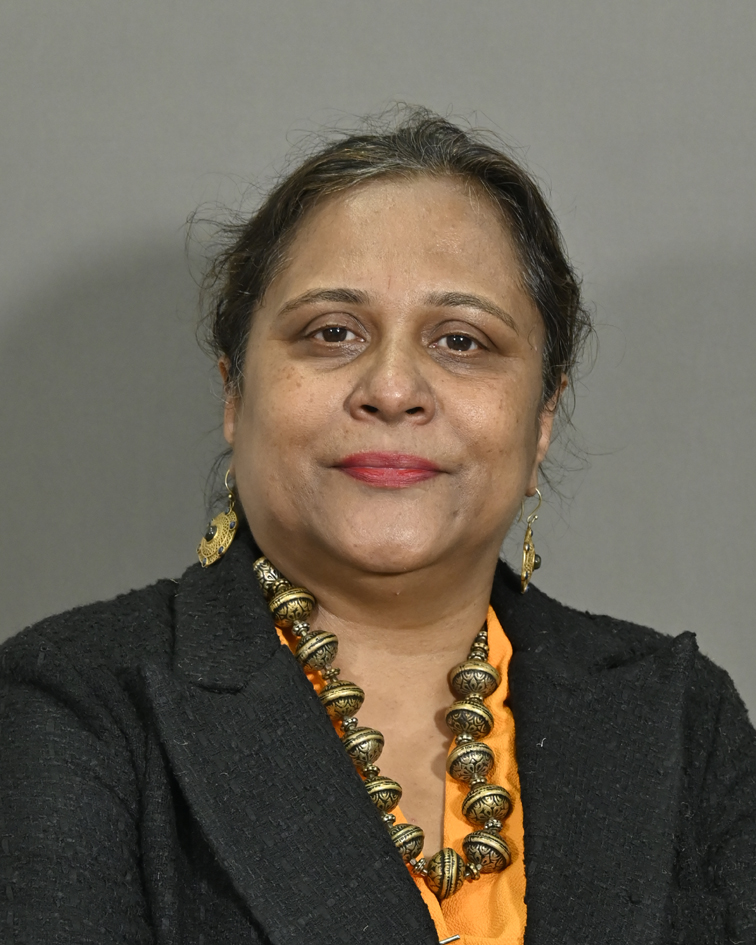
December 26, 2025 Ms. Kavita Sonthalia PRT English
In a world increasingly marked by conflict, division and intolerance, the role of education in fostering peace has never been more crucial. Schools, as microcosms of society, are ideal spaces to nurture values of empathy, respect and cooperation among young minds. The responsibility of shaping a more harmonious future rests on the shoulders of educators, administrators and students alike. By embedding peace initiatives into school culture today, we lay the foundation for a more inclusive and compassionate world tomorrow.
The Need for Peace Initiatives in Schools
The prevalence of bullying, discrimination and mental health concerns in educational institutions highlights the urgent need for structured peace initiatives. The rise of digital interactions has also led to cyber conflicts, making emotional intelligence and conflict resolution essential skills. The youth of today are not just future leaders; they are active participants in shaping society. Instilling values of peace early ensures they carry these principles into their adult lives, influencing communities, workplaces and governance structures positively.
Core Principles of School-Based Peace Initiatives
Effective peace education is not just about theoretical knowledge but practical implementation.
Schools can integrate peace initiatives based on the following core principles:
1. Empathy and Emotional Intelligence – Understanding and respecting different perspectives fosters a culture of peace.
2. Non-Violent Communication – Encouraging dialogue over conflict resolution leads to healthier relationships.
3. Inclusivity and Diversity Awareness – Accepting and celebrating differences builds a more tolerant society.
4. Restorative Justice Practices – Addressing conflicts constructively rather than punitively helps in long-term behaviour change.
5. Community Engagement – Extending peace-building beyond classrooms strengthens social harmony.
Implementing Peace Education in Schools
1. Curriculum Integration :
Peace education should be embedded across subjects rather than being limited to moral science or value education classes. Literature can highlight historical figures who championed non-violence, while social studies can explore diplomatic conflict resolutions. Science and environmental studies can incorporate sustainable living practices that promote harmony between humans and nature.
2. Student-Led Peace Councils :
Empowering students to take ownership of peace initiatives enhances their leadership skills and sense of responsibility. Forming student-led peace councils allows them to mediate peer conflicts, organize awareness campaigns and drive community outreach programs. This not only builds accountability but also makes peace-building an active and engaging process.
3. Conflict Resolution Training :
Schools should offer structured conflict resolution training that equips students and staff with tools to handle disputes constructively. Role-playing exercises, mediation workshops and peer counselling sessions can help develop practical problem-solving skills. Teachers should also be trained in restorative justice approaches to address behavioural issues effectively.
4. Mindfulness and Well-Being Programs :
Stress, anxiety and emotional turbulence can hinder a peaceful school environment. Introducing mindfulness practices such as meditation, deep breathing exercises and gratitude sessions can enhance emotional regulation. Schools that prioritize mental well-being create calmer, more understanding student communities.
5. Service Learning and Community Engagement :
Extending peace initiatives beyond the school fosters a sense of global citizenship. Collaborative projects with marginalized communities, participation in social causes and international peace exchange programs can broaden students' worldviews. Encouraging them to initiate kindness campaigns, environmental sustainability drives and interfaith dialogues promotes a culture of peace beyond classrooms.
Role of Teachers and Administrators
While students are at the core of peace-building, the role of educators and school leaders cannot be overstated. Teachers should model peaceful behaviour through their interactions, while administrators must create policies that uphold equity, inclusion and justice. Staff training programs in emotional intelligence, conflict mediation and cultural sensitivity can strengthen the overall impact of peace initiatives.
Schools must also establish a zero-tolerance policy towards discrimination, bullying and violence while ensuring that punitive measures are not harsh but transformative. Creating safe spaces for open discussions about global and local conflicts helps students process information critically and responsibly.
Challenges in Implementing Peace Initiatives
Despite their necessity, peace initiatives in schools face challenges such as:
● Resistance to Change: Traditional disciplinary methods often prioritize punishment over
resolution.
● Time Constraints: Academic schedules are packed, leaving little room for peace
education programs.
● Lack of Training: Educators may not have the required skills to facilitate peace-building
exercises effectively.
● Cultural Barriers: In diverse societies, differing beliefs about conflict and discipline
may create resistance.
Overcoming these obstacles requires a committed effort from all stakeholders—schools, parents, communities and policymakers. Collaboration with NGOs, peace organizations and mental health professionals can provide additional resources and expertise.
Success Stories: Schools Leading the Way
Several schools worldwide have successfully implemented peace education initiatives, setting inspiring examples:
● The Gandhi Ashram School, India: This institution follows Mahatma Gandhi’s principles of non-violence and self-sufficiency, integrating peace education into daily learning.
● The United Nations International School, New York: This school incorporates global peace studies into its curriculum, emphasizing diplomacy and conflict resolution.
● Peace First, USA: A youth-led initiative that provides training to students to design and implement peace-building projects in their communities.
By studying and adapting such models, schools worldwide can tailor peace initiatives to suit their specific socio-cultural contexts.
Education is one of the most powerful tools for shaping a peaceful future. Schools that actively engage in peace initiatives not only create safer learning environments but also contribute to a more just and harmonious world. Educators, students and policymakers must work together to integrate peace education into the heart of schooling. Today’s classrooms are tomorrow’s societies—what we instil in them now will determine the future we build.