Reflections from a Teacher’s Desk
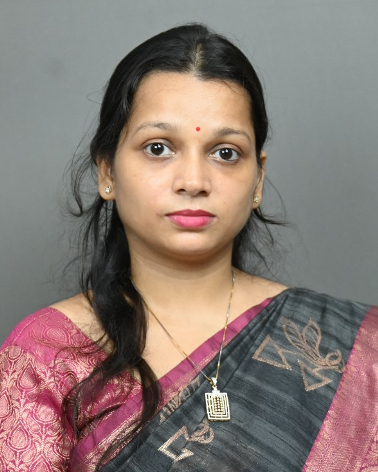
January 10, 2026 Ms. Soumya Agarwal (PRT English)
English is much more than a subject taught within classroom walls. It is a living language woven into our everyday conversations, thoughts and expressions. Through my classroom experiences, I have come to realise that students grasp concepts far more naturally when English is taught through stories, conversations and examples drawn from real life.
When lessons turn interactive, curiosity awakens. I noticed a visible spark in my students when activities invited them to participate, speak, imagine and respond. Grammar, in particular, became less intimidating when introduced through meaningful sentences and short stories rather than isolated rules. Concepts that once felt rigid slowly transformed into ideas students could relate to and apply with confidence.
Vocabulary too flourished when words were discovered through poems, stories and thoughtful classroom discussions. Learning became organic and joyful rather than forced. I consciously designed activities that bridged literature and grammar, allowing students to explore language as a whole rather than in fragments.
At an early age, children learn best by doing, seeing and experiencing instead of merely listening or memorising. Activities on pronouns, nouns, verbs, adjectives and many other grammatical elements became moments of excitement and discovery in the classroom. In literature, students explored character sketches and story mapping, which helped them understand people, narratives and values in a simple yet meaningful way.
One of my strongest learnings as a teacher has been understanding that every child learns at their own pace. When students feel safe, supported and encouraged, they begin to express themselves freely. I observed how confidence blossoms when fear fades and how children start speaking English naturally when they know their voice matters.
Teaching English then becomes more than instruction. It becomes a shared journey of stories, expression and growth.