


From Complaints to Gratitude
April 01, 2026 Ms. Vidisha Shah
From Complaints to Gratitude:
My Behaviourist Approach to Classroom Management!
As educators, we often find ourselves tackling behavioral issues that disrupt the learning environment.
Since the beginning of the session, one such challenge in my classroom was the never-ending cycle of complaining, blaming, and finger-pointing. It was exhausting. It was draining, not just for me, but for the students as well.
That's when I introduced the Complaint Box in my class.
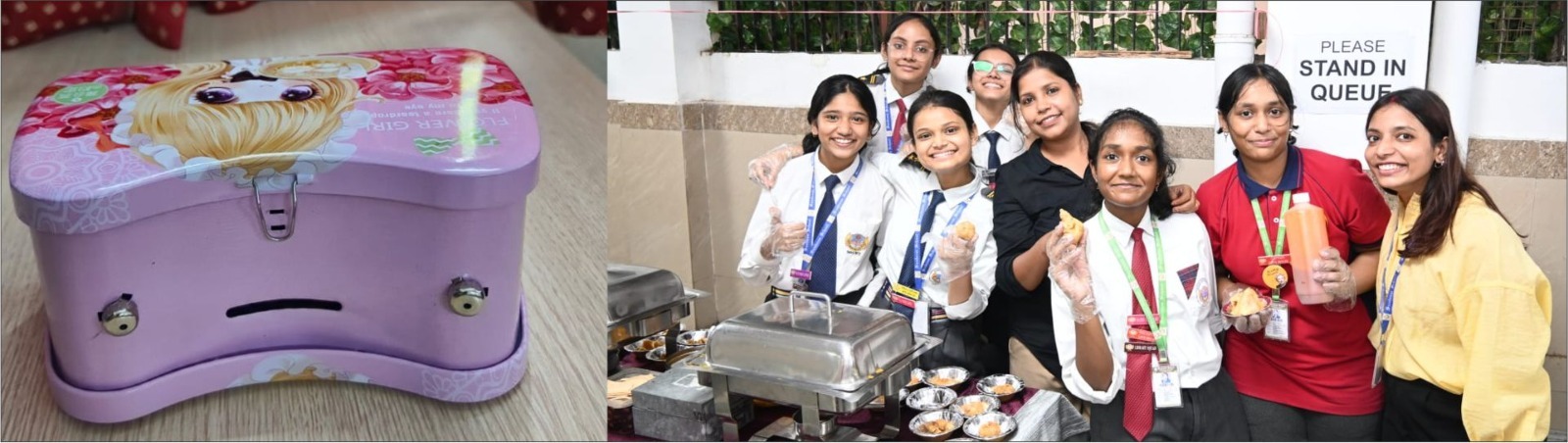
In an attempt to channel their frustration, I introduced a complaint box, a designated space where students could express their thoughts and complaints instead of interrupting the class.
For a few days, my class didn’t interrupt me but the results?
By the end of the day, the box would overflow with complaints, many of which were minor, unintentional, and trivial.
Coming from a psychology background, I love to integrate psychology into my teaching, and this led me to reflect on B.F. Skinner’s principle of Operant Conditioning.
Without realizing it, I was reinforcing the very behavior I wanted to reduce.
The more my students wrote complaints, the more they got used to complaining.
And this led me to bring a change in my action.
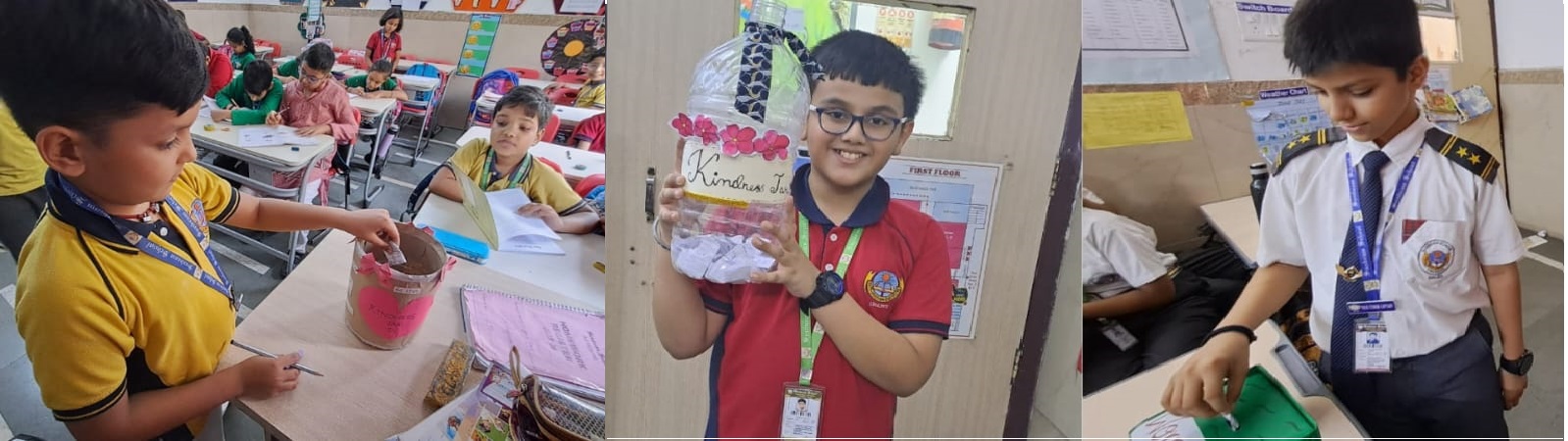
I shifted the reinforcement to a Gratitude Jar.
Recognizing the need for a behavioral shift, I introduced a Gratitude Jar. This time, my approach brought a visible change in students.
Instead of complaints, students were encouraged to note acts of kindness, responsibility, and helpfulness.
These contributions were acknowledged and read aloud as public appreciation, a powerful form of positive reinforcement that encouraged prosocial behavior.
(Prosocial behavior means helping others and contributing positively to society.)
At first, the jar was almost empty. Complaining was easy—but kindness required effort and thought.
However, as students observed their peers receiving social reinforcement (praise, recognition, peer validation), behaviors began to shift.
They started helping, cooperating, and building a positive classroom culture.
Soon, the Gratitude Jar was full.
In today's world, this is not just an idea, it’s a necessity!
This simple shift reflects the core principle of behaviorism: Behavior is shaped by environmental consequences.
When I gave students a space to complain, they complained more.
When I gave them a space to appreciate, they became more kind.
As teachers, leaders, and parents, we must remember: Children become what their environment consistently reinforces.
If we want teamwork, responsibility, and kindness. We must intentionally create systems that nurture these behaviors.
Children need a guiding hand—because life is not just a chapter in a book, but a lifelong lesson.