



Raising Smart Savers : Financial Education for Young Minds
June 01, 2026 Ms. Swati Singh
Raising Smart Savers: Financial Education for Young Minds
Every morning, as my young learners settle into class, I see something remarkable — bright eyes full of curiosity and minds ready to explore. Over my years as a primary class teacher, I have come to believe one thing deeply: financial education in the classroom is not about numbers alone. It is about building responsibility, confidence, and the joy of making wise choices.
This blog is my reflection on how we can truly nurture smart savers — using everyday activities to make financial learning creative, meaningful, and deeply connected to life.
1. Financial Literacy as a Life Skill, Not Just a Lesson
For many years, money education in primary schools meant a brief chapter in a textbook. While those basics matter, they are only the beginning. Today, I encourage my students to see financial knowledge as a tool for life — to make thoughtful choices, plan for the future, and understand the value of what they earn and spend.
In our classroom, children create simple budgets using pocket money, role-play shopping scenarios, and discuss the difference between needs and wants. The result? Children who are not just aware of money but confident in handling it.
2. Learning Through Creativity, Values, and Real-Life Activities
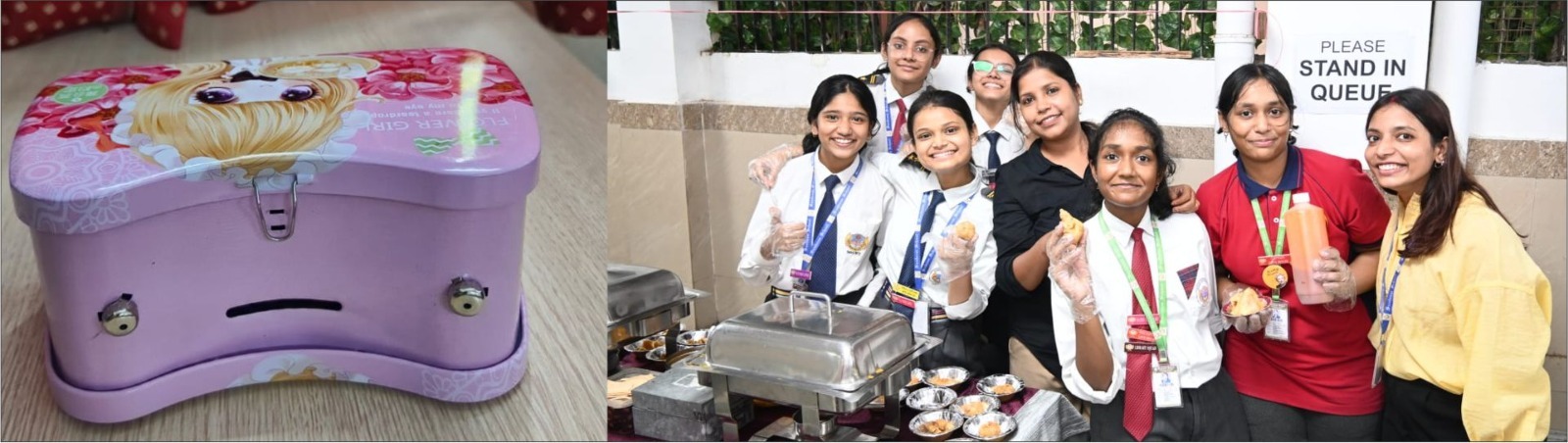
In our classroom, learning goes far beyond counting coins — it is about using financial understanding to think, create, and make a difference. One of our favourite activities is the mock market, where children set up stalls, price their items, and manage their classroom currency. Students quickly learn that planning and budgeting make the difference between profit and loss.
Mathematics became a platform for real-world understanding. During our savings challenge, students tracked their imaginary savings over four weeks, calculated interest in simple terms, and presented their financial goals to the class with remarkable confidence. Watching a child explain why saving matters is one of the most powerful signs of real learning.
3. Learning That Connects: Financial Literacy Across the Curriculum
One of the most exciting things I do as a primary teacher is connect financial literacy with other subjects to make learning cross-curricular. When children study addition and subtraction in Maths, we link it to shopping bills and change calculations. During English classes, students write short stories about characters who save up for a dream.
Some activities that have worked beautifully:
● Classroom Budget Planner: Students create personal budgets, practising arithmetic with real-life numbers.
● Mock Shopping Activity: Role-play lets children calculate expenses, compare prices, and track their balance.
● Needs vs. Wants Game: Classroom discussions spark debate and sharpen the ability to sort essentials from luxuries.
● Savings Goal Chart: Students set a simple saving target and track their progress week by week.
4. The Magic of Saving for Young Minds
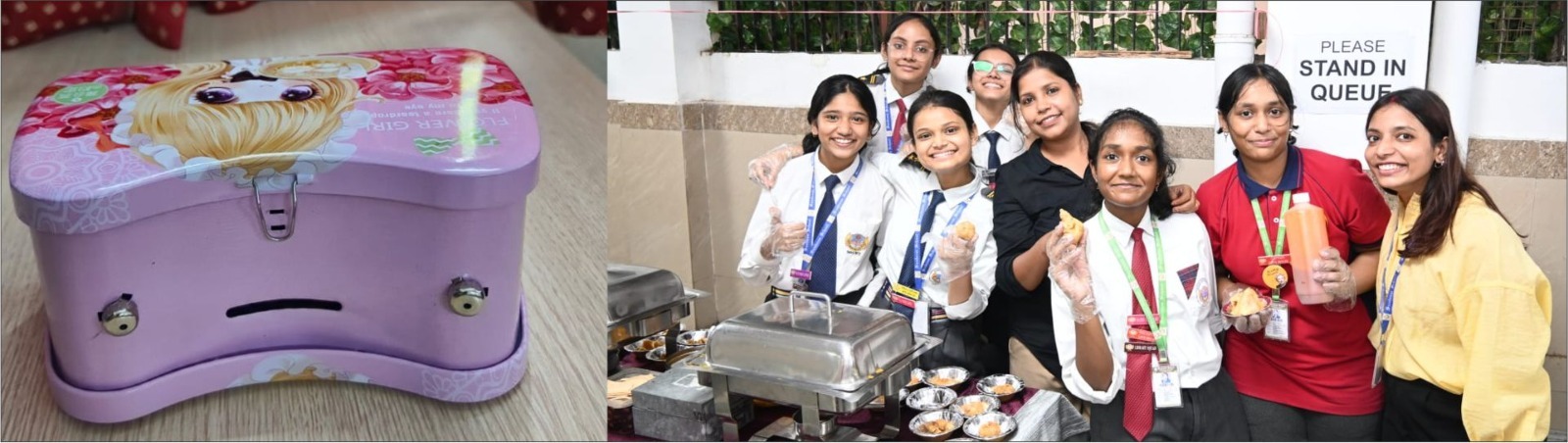
Saving is often seen as something for adults or older students. But I have seen seven-year-olds light up when they realise their small, steady deposits have added up to something meaningful. Even putting aside a tiny amount each week teaches children the power of patience and planning.
When a child says, 'I saved enough for what I wanted!' — that moment of pride, that feeling of being in control and making something happen, is incredibly powerful. Saving teaches children that they can not only manage money but shape their own future.
5. Balancing Spending with Mindful Choices
As much as I encourage saving, I am also a firm believer in teaching children to spend wisely. Every purchase is a decision, and decisions need thought. In my classroom, we follow simple rules: we always ask 'do I need this or do I want this?', we compare options before choosing, and we celebrate when we make a smart financial decision.
I also make it a point to involve students in discussions about responsible money habits — topics like avoiding impulse buying, understanding advertisements, and knowing that small savings today can lead to big achievements tomorrow. Even at the primary level, financial citizenship education is not just important — it is essential.
6. A Note for Parents
Dear parents, your child's experience with financial education at school is designed to be practical, engaging, and age-appropriate. I encourage you to ask your child to show you their savings chart or explain what they learned about budgeting today — you might be surprised by a little financial planner, a budding entrepreneur, or even a young savings champion waiting to share their ideas with you!
And at home, try to involve your child in simple money decisions. Ask them to help compare prices at the grocery store, or encourage them to save a small part of their pocket money each week. Children love being trusted with responsibility, and it reinforces their learning beautifully.