


Nurturing Empathy and Environmental Responsibility in Young Learners
December 14, 2025 Ms. Vaidehi
Nurturing Empathy and Environmental Responsibility in Young Learners
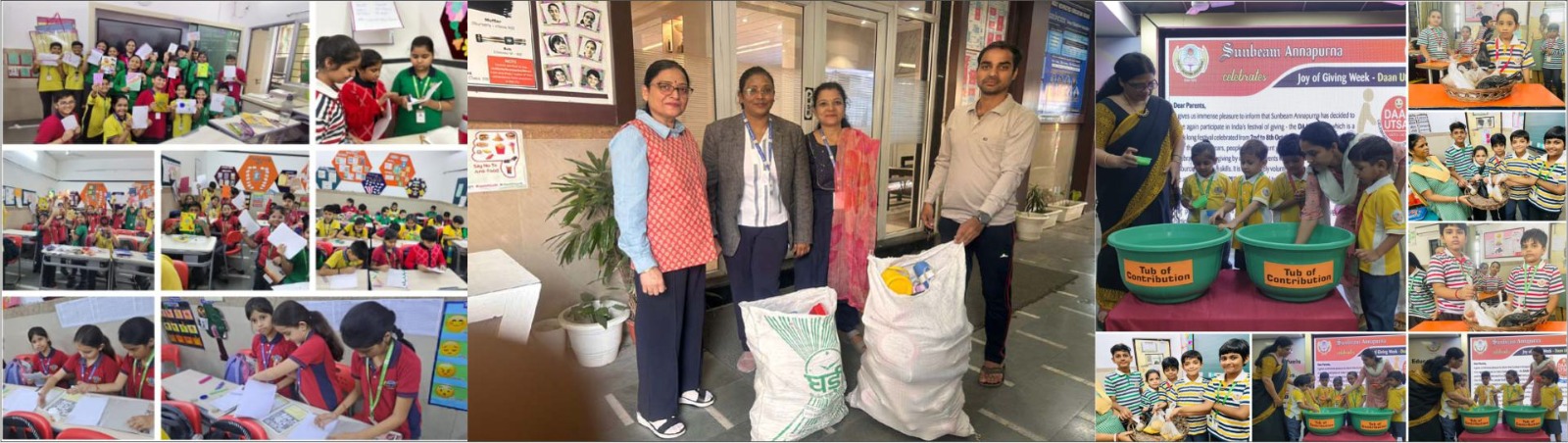
In the Junior Block, where children begin exploring the world around them, education is about much more than textbooks—it’s about shaping hearts and minds. At our school, we believe in nurturing sensitivity, empathy, and responsibility in every student. Our classrooms are designed to be spaces where children not only learn academic concepts but also understand the importance of caring for people, animals, and the environment. Through daily activities, meaningful discussions, and small acts of kindness, we encourage students to grow into compassionate and environmentally conscious citizens.
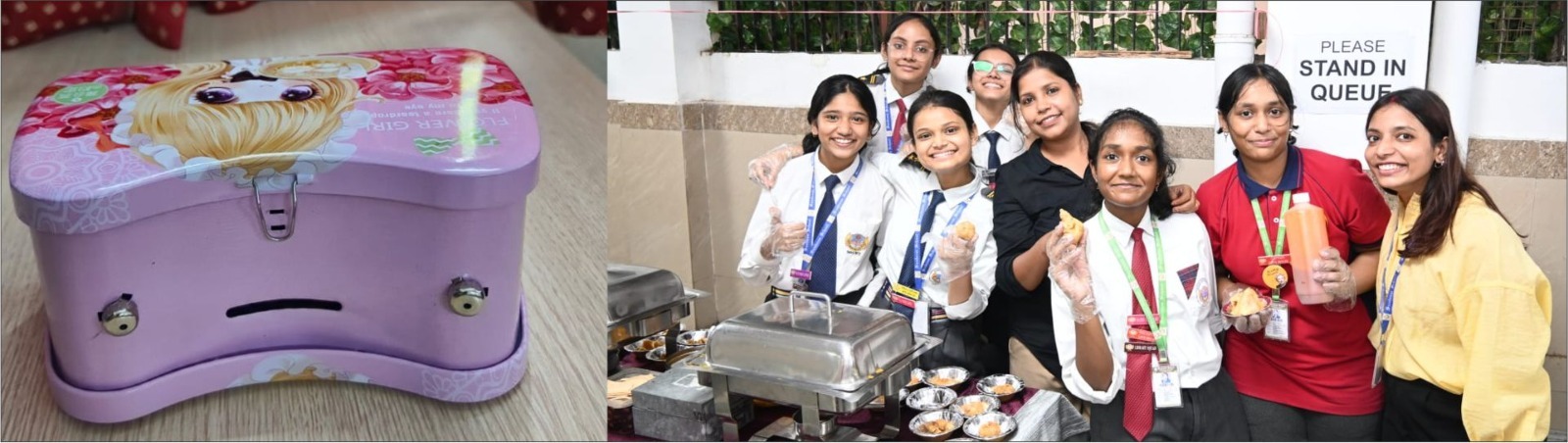
One of the key areas we focus on is food and hunger, aligned with the SDG goal 2- Zero Hunger. Our students actively participate in initiatives where extra food from the school is saved and donated to animals and those in need. Every Wednesday, we conduct the “One Fistful of Rice and Potato” program, where each child contributes a small portion every Wednesday.This simple act teaches children that sharing even a little can make a big difference in someone’s life.
We also encourage sustainable practices inside the classroom and beyond. Paper is a precious resource, so we teach students to avoid wasting it. Children are encouraged to use both sides of a sheet, recycle, and think creatively about how they can minimize paper use. Similarly, small lifestyle choices—like reducing sugar intake, switching off lights and fans when not in use, and reducing single-use plastic—are part of our daily routines. These habits make students more aware of how their actions affect the environment and instill a sense of responsibility from a young age.
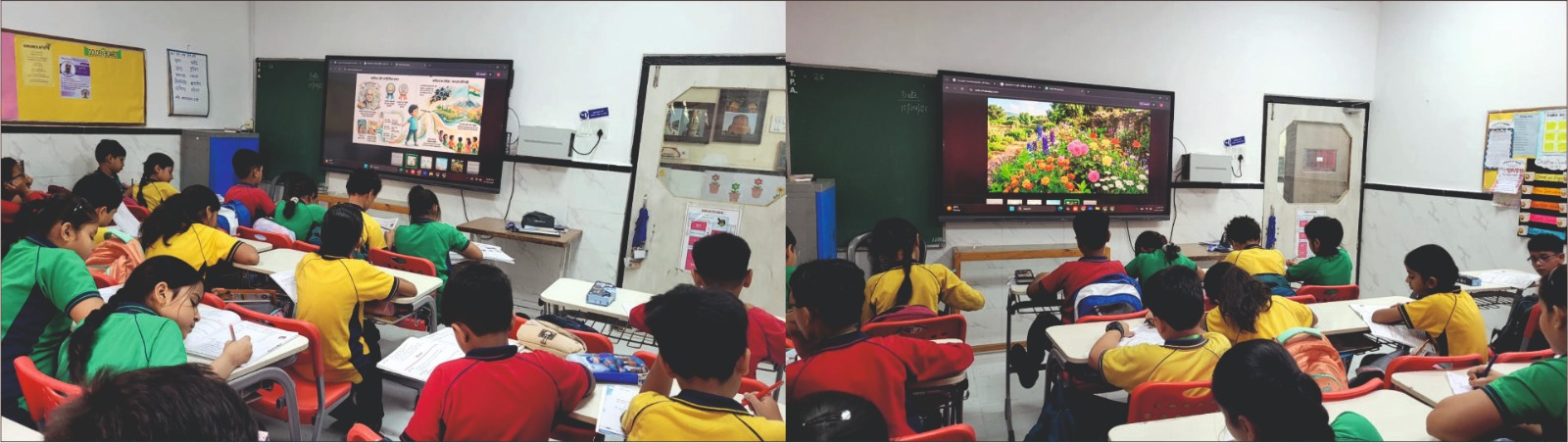
Empathy for nature is further nurtured through activities like donating flowers and clothes on special occasions, participating in planting and caring for saplings, and observing wildlife around the school. They even have saplings in each class room as a true friend.These experiences help students connect emotionally with living beings and the planet, making environmental care a natural and meaningful part of their lives. By combining these activities with lessons on CSR (Corporate Social Responsibility) and the UN Sustainable Development Goals (SDGs), students understand that every small action contributes to a larger positive impact globally.
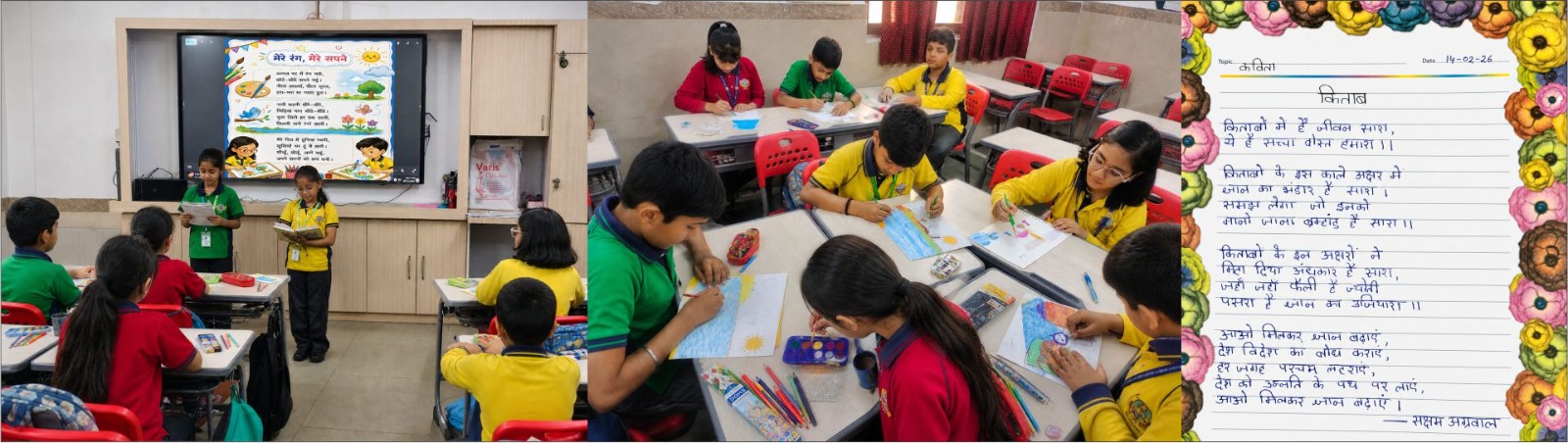
Storytelling, discussions, and reflective activities also play a vital role. Children discuss how their choices—saving paper, sharing food, or planting a tree—can affect others. They observe and learn from each other, cultivating sympathy, kindness, and respect for life. Over time, these small steps grow into lifelong habits, making them not only responsible students but also thoughtful human beings who care deeply for people and the environment.
As a teacher, it is a joy to witness these young learners actively engaging in sustainable practices and showing empathy in every action. Our goal is clear: to create children who are aware, sensitive, and proactive in protecting the environment and helping others. Through consistent, meaningful experiences in the classroom and beyond, we are nurturing a generation that values sustainability, compassion, and the power of small, positive actions.